
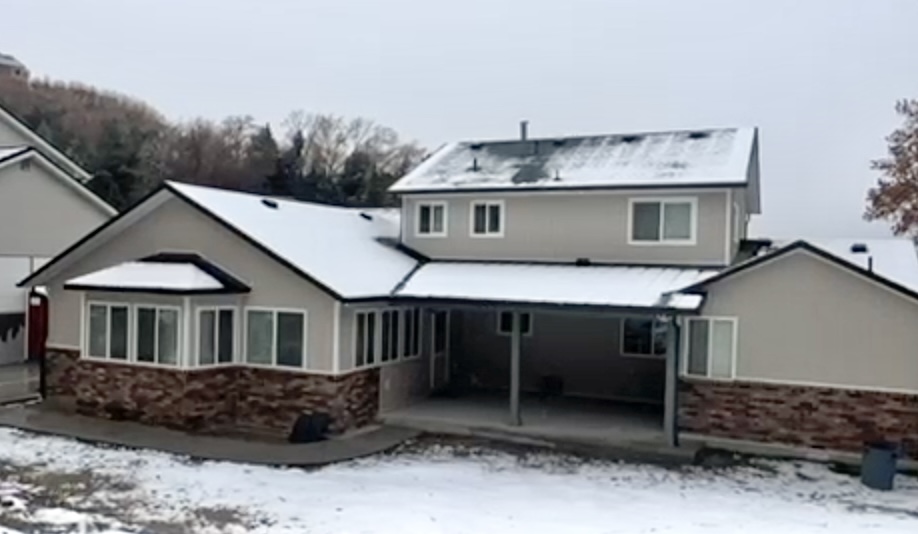
When homeowners in Utah need more space, one of the biggest decisions they face is whether to build a second story addition or a single-story addition.
Both options can dramatically increase square footage and functionality — but the right choice depends on lot size, budget, structural considerations, and long-term goals.
In this guide, we’ll break down the pros and cons of each so you can make an informed decision.
What Is a Single-Story Home Addition?
A single-story addition expands the home outward by building onto the existing footprint. This typically involves pouring new foundation, framing new exterior walls, and tying into the current roofline.
Single-story additions are often used for:
- Expanding kitchens
- Adding living rooms or gathering spaces
- Creating primary suites
- Adding bedrooms or offices
What Is a Second Story Addition?
A second story addition builds vertically by adding a new level above the existing home. This often requires structural evaluation, roof removal, reinforcement, and careful engineering.
Second story additions are commonly used when:
- The lot size is limited
- Homeowners want to preserve yard space
- Zoning restricts outward expansion
- The goal is significant square footage increase
Pros & Cons of Single-Story Additions
✅ Pros
1. Simpler Structural Integration
Single-story additions often require less structural reinforcement than building upward.
2. Easier Construction Access
Trades can work without removing the roof or modifying upper framing.
3. Ideal for Aging-in-Place
No stairs required, which can benefit long-term accessibility.
❌ Cons
1. Reduces Yard Space
Expanding outward decreases lot space and outdoor living area.
2. May Trigger Setback Issues
Zoning and property line restrictions can limit expansion options.
3. Roofing Complexity
Matching rooflines can become complicated depending on existing structure.
Pros & Cons of Second Story Additions
✅ Pros
1. Preserves Yard Space
You maintain the existing footprint and outdoor living areas.
2. Major Square Footage Gain
Adding a full second level can nearly double usable living space.
3. Strong Resale Value
Second-story additions often create high ROI in growing Utah markets.
❌ Cons
1. Structural Requirements
Existing foundations and framing must be evaluated to carry new loads.
2. Construction Complexity
Roof removal and weather protection must be carefully managed.
3. Temporary Disruption
Depending on the project, some areas of the home may be unusable during construction.
Which Option Is More Cost-Effective in Utah?
Costs vary based on:
- Square footage
- Structural modifications
- Finish level
- Mechanical extensions (HVAC, plumbing, electrical)
- Roofing changes
In many cases, second story additions may cost more per square foot due to structural work — but they often preserve valuable lot space, which can increase long-term property value.
The best way to determine cost is to evaluate your specific lot, structure, and goals.
When a Second Story Addition Makes More Sense
A second story is often the better choice when:
- Your lot is already built out
- You want to keep your yard intact
- You need multiple new bedrooms
- You work from home and need dedicated office space
- You want to avoid relocating
When a Single-Story Addition Makes More Sense
A single-story addition may be better if:
- Your lot has space to expand
- Structural reinforcement would be excessive
- You prefer all living space on one level
- HOA or zoning limits vertical expansion
The Most Important Step: Feasibility
Before deciding, a professional feasibility review should evaluate:
- Structural capacity
- Zoning and setback requirements
- Budget range
- Layout impact
- Timeline expectations
Without this step, homeowners risk redesigns and cost overruns.
Planning a Home Addition in Utah?
Whether you’re considering a second story addition or expanding outward, the key is aligning your home’s structure, lot, and long-term goals.
At Design Your Price, we help homeowners evaluate options before construction begins so decisions are made with clarity — not guesswork.
Schedule a consultation to explore what makes the most sense for your home.